
Closet Painting in Vancouver
Posted on July 29, 2026 by The Vancouver Painters Team
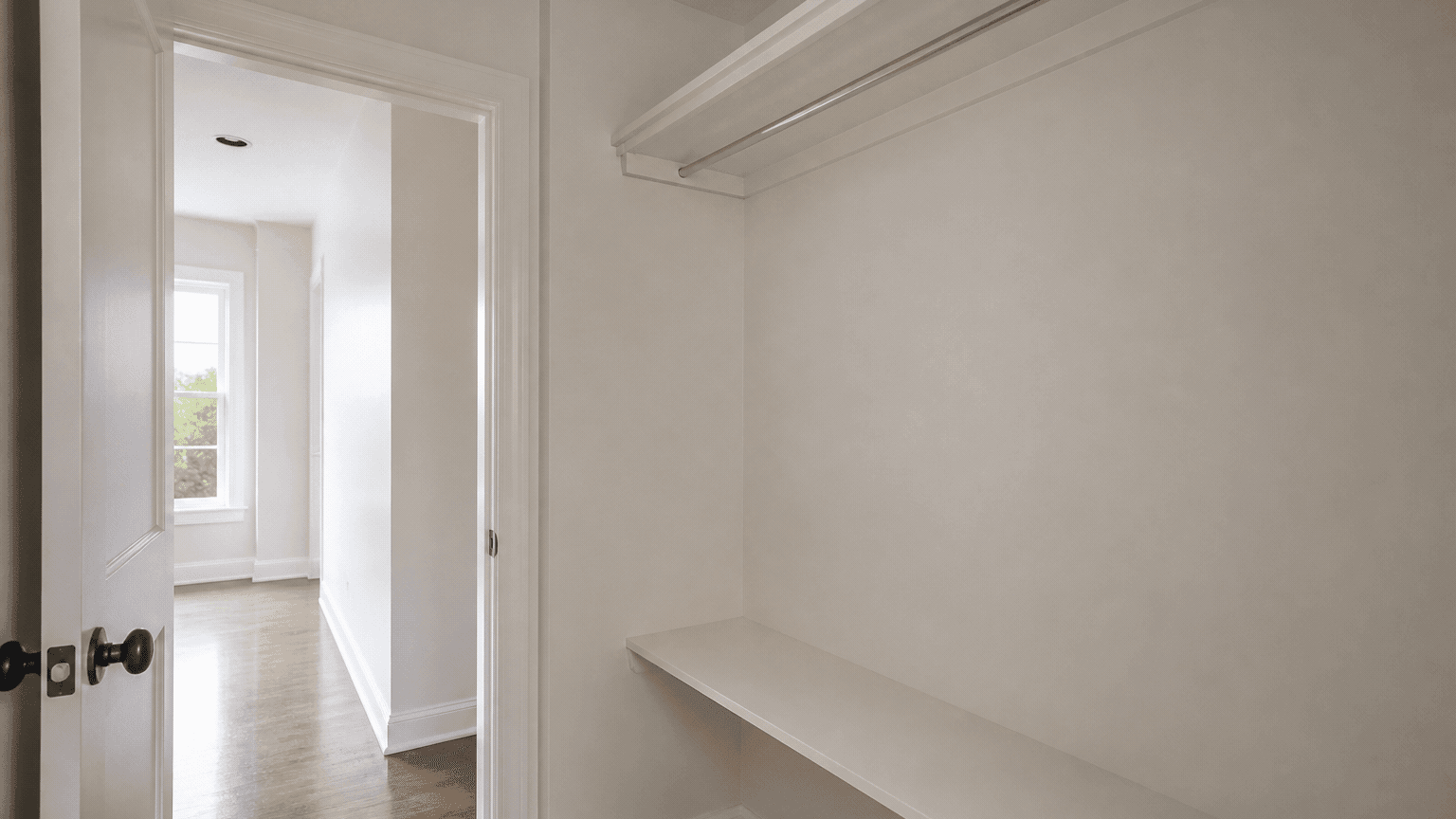
Quick answer: A closet can usually be repainted when walls, ceilings, shelves, trim, doors, and existing finishes are sound and dry. Resolve soft drywall, shelf hardware pull-out, failed caulk at casings, and heavy scuff or impact damage before coating. Empty or stage contents carefully, choose a washable system suited to confined spaces, protect floors and hardware, and allow enough drying and cure time before hanging clothes or storing belongings again.
Closets in Vancouver homes are often dim, poorly ventilated, and packed with shelves, rods, bifold or sliding doors, and years of scuffs at latch height. A useful estimate should identify every included surface, the shelving condition, preparation, products, door type, ventilation, and cure schedule rather than simply say “paint the closet.”
Name each closet surface before pricing
Homeowners often assume “closet painting” means the back wall only. A component list makes quotes easier to compare:
- Field walls: Side walls, back walls, returns into the room, and previously patched scuff bands
- Ceilings: Flat or textured surfaces around lights, detectors, attic hatches, and any bulkhead
- Built-in shelves and rods: Fixed wood shelves, painted particleboard, rods, cleats, and supports if included
- Trim: Baseboards, door casings, closet casing returns, and any shelf edge banding if painted
- Doors: Hinged, bifold, sliding, or pocket doors, plus edges, frames, tracks, and hardware zones
- Floor transitions: Thresholds, carpet edges, and any painted toe-kicks or platform bases
- Niche details: Cubbies, drawers fronts if painted, wire-shelf brackets left in place, and electrical or thermostat walls if included
Specify whether the scope includes ceilings, shelf systems, door slabs, tracks, and every painted return into the bedroom or hallway. A full interior painting project may include some of these surfaces, but closet details should still be listed separately.
Inspect for scuffs, shelves, and moisture clues before preparation
Paint should not conceal unresolved substrate or coating failure. Check the closet with the door open under both fixture light and room daylight before cleaning or sanding removes clues.
Look for:
- Soft, swollen, or crumbling drywall near exterior walls, attics, or plumbing chases
- Peeling, bubbling, or blistering paint on lower wall bands and outside corners
- Recurring latch-height hand marks, hanger scrapes, and shelf-edge gouges
- Brown or yellow stains that may point to roof, plumbing, or condensation issues above or behind the closet
- Loose, sagging, or pull-out shelves and overloaded rod supports
- Greasy fingerprints around switches, pulls, and door hardware
- Failed caulk or open joints at door casings, baseboards, and shelf cleats
- An older or unknown coating that may need hazardous-material assessment before disturbance
A painter can document visible coating and surface conditions but should not certify roofing, plumbing, or building moisture control. Soft drywall, active leaks, and persistent staining need assessment and repair by the appropriate qualified trades before coating.
Review shelving, doors, and airflow before choosing a system
Closets fail coatings for reasons that differ from open bedrooms or halls. Confined air, limited light, and constant contact with hangers and stored goods matter as much as ambient humidity.
Clarify before production:
- Whether shelves and rods stay in place, get removed, or need careful cut-in around fixed systems
- Whether doors are hinged, bifold, sliding, or pocket, and whether slabs are in scope
- Whether the closet has a light, fan, or only borrowed air from an adjoining room
- Whether the closet opens to a hallway, bedroom, laundry room, or mudroom that needs matching colour and sheen
If coatings fail at the same shelf edges or latch heights, plan better washable systems, hardware adjustments, and traffic controls before relying on a new topcoat alone. Product selection for humid openings near wet rooms is covered in our moisture-resistant interior paint guide. A dedicated hallway guide remains the companion for circulation routes; closet work needs its own shelving, confined-space, and door plan.
Decide what belongs in the painting scope
Closet work often sits next to bedroom, hallway, trim, or door tasks. Clarify boundaries early:
- Refresh sound painted surfaces: Clean, dull, prime where needed, and recoat finished walls, ceilings, and trim.
- Repair and then paint: Patch nail pops, scuff damage, hairline cracks, and limited drywall damage after any leak source is resolved.
- Include shelves and rods: Confirm whether fixed shelves, cleats, rods, and painted edges are in scope or carefully masked.
- Include doors and tracks: Decide whether door slabs, edges, frames, and visible track faces paint with the closet or as a separate phase.
- Coordinate adjoining returns: Plan bedroom or hallway returns as one visual scheme rather than leaving mismatched leftover paint.
If walls need more than minor patching, review our guide to drywall repair before painting in Vancouver. Soft or repeatedly damaged board is a repair or replacement issue, not a thicker paint problem.
Preparation determines whether the finish will last
Closets collect dust on shelves, lint on baseboards, hand oils on door edges, and scuff residue that show under raking light from the room. Painting over that contamination can cause poor adhesion or a streaky finish when the door opens onto brighter light.
A condition-specific preparation sequence may include:
- Empty or stage clothes, boxes, and stored goods away from coating and cure zones
- Confirm surfaces are dry enough for the specified system after any recent leak or wet cleaning
- Clean walls, ceilings, shelves, trim, and doors with a method suited to dust, lint, and hand oils
- Scrape or sand loose coating and feather sound edges
- Dull glossy retained finishes without damaging adjacent flooring or hardware
- Fill appropriate nail holes, gouges, and open finish joints
- Spot-prime stains, repairs, and adhesion-risk areas
- Caulk appropriate trim and finish joints after the substrate is ready
- Final dust removal before primer or finish coats
Do not assume a packed closet can be painted around hanging clothes or immediately after wet mopping left damp baseboards. Surfaces and the air path need to be dry according to the product requirements and site conditions.
Protect flooring, doors, and stored goods carefully
Closet painting is as much about staging belongings as it is about the walls. Protection and temporary storage plans should be written before production starts.
Plan for:
- Floor coverings suited to hardwood, laminate, tile, or carpet
- Door hardware, tracks, rollers, and weatherstripping kept clear and protected
- Light switches, outlets, detectors, and shelf hardware masked carefully
- Temporary storage so clothes and belongings stay clean while coatings dry
- Pet and kid traffic controls during coating and early cure
Whether doors are painted in place or removed should be written into the estimate. Over-spray and roller spray show quickly on carpet edges, hanging rods, and bedroom flooring outside the opening. If the closet shares a wall with living space, the estimate should say how odour and access will be managed while coatings dry.
Choose colour, sheen, and products for cleaning and light
Closets need finishes that wipe clean after hanger marks and tolerate repeated contact without looking streaky under mixed room and fixture light. Product and sheen choices should reflect cleaning needs, lighting, and how hard the space is used.
Common planning points:
- Mid-value or soft light colours can hide day-to-day scuffs better than stark white in some closets
- Washable wall systems suit latch-height bands, shelf edges, and outside corners
- Ceiling systems should show fewer roller marks around lights and attic hatches
- Door and trim finishes usually need a harder-wearing enamel-style system than field walls
- Small closets benefit from colours that stay calm under limited fixture light
- Sheen should balance cleanability and wall-flaw visibility; review our paint sheen guide
Do not assume leftover bedroom paint is right for every closet surface. Hand oils, shelf dust, door wear, and cool Vancouver light can change the system.
Plan ventilation, recoat time, and return to storage
Vancouver closets can stay cool and still after coating, especially when they sit on exterior walls or open only briefly for ventilation. Recoat and cure windows should be written for the actual temperature, humidity, and airflow on site.
Ask the contractor to document:
- How the space will be ventilated during and after coating
- Whether the closet must stay empty during cure, and for how long
- Recoat timing for walls, ceilings, shelves, trim, and any door coatings
- When rods, hangers, and stored goods can return
- When doors can close regularly without softening the finish
- Any odour expectations for occupied bedrooms or halls
Light access for staging can come sooner than full clothing return. Plan more drying time rather than less if the closet is cool, sealed, or shared with a poorly ventilated bedroom. Related ceiling work is covered in our ceiling painting guide, and trim or door scope often follows the same sequencing as painting trim and doors.
What affects closet painting cost in Vancouver
Closet pricing usually turns on shelving, doors, and staging more than square footage alone. Factors that commonly change an estimate include:
- Total wall, ceiling, shelf, trim, door, and return area
- Drywall repair or stain blocking required before coating
- Whether shelves, rods, and door slabs are painted, carefully masked, or left out of scope
- Door type complexity—bifold, sliding, pocket, or standard hinged
- Occupied-home protection and temporary storage planning
- Product system for washable durability or stain blocking
- Number of colour changes and accent walls
- Ventilation and extended cure planning before belongings return
Use our interior painting cost guide for Vancouver for broader pricing context, then compare line items rather than headline totals.
Common closet painting mistakes
- Painting over damp walls, unresolved stains, or soft drywall
- Skipping thorough cleaning of dust, lint, and hand oils before coating
- Leaving shelves and doors poorly protected or returning clothes too soon
- Using a flat, hard-to-clean wall paint in a latch-height contact zone
- Underestimating cooler-closet dry and cure times
- Ignoring shelf pull-out, overloaded rods, and open casing joints
- Matching quotes by price alone without matching surface lists and door exclusions
Questions to ask when comparing estimates
Ask each contractor:
- Which walls, ceilings, shelves, rods, trim, doors, and adjoining returns are included?
- Which closet interiors, door slabs, tracks, and shelf systems are excluded?
- What scuff, stain, soft drywall, or moisture issues were identified?
- Which defects need drywall, plumbing, roofing, or other specialist work first?
- How will dust, loose paint, and gloss be addressed?
- Is stain-blocking primer, bonding primer, or washable wall paint part of the system?
- How will floors, doors, hardware, detectors, and stored goods be protected?
- How will the household store clothes while the closet is offline?
- Which products, colours, sheens, and coat sequence are proposed?
- What ventilation, recoat, cure, and return-to-storage instructions apply?
- How will cleanup, touch-ups, final inspection, and workmanship warranty be documented?
Use our house painting quote comparison guide to check insurance, payment terms, change orders, cleanup, exclusions, and warranty language alongside these closet-specific questions.
Closet painting FAQs
Can you paint a closet while living in the home?
Yes, if staging, door sequencing, and cure timing are clear. Many Vancouver projects empty one closet at a time and keep bedroom access usable while coatings dry. The estimate should state how long the closet stays offline and when clothes can return.
Should closet walls be satin or eggshell?
Both can work when the product is intended for washable interiors. Satin may wipe more easily after hanger marks in some systems, while a quality washable eggshell or matte can look softer and hide more wall imperfections under limited light. Surface condition and the product data matter more than a universal sheen rule.
Do closet doors need a different paint?
Often yes. Door slabs, edges, and casings take more abrasion from hands, hangers, and latch contact than open wall fields. The estimate should state whether doors use the same wall system or a harder-wearing enamel-style finish.
How long before we can hang clothes again after painting?
Follow the current product data and the contractor's written instructions. Light access can come sooner than packing shelves or letting garments rub against a fresh finish. In a cool, poorly ventilated closet, plan more cure time rather than less.
Should the closet colour match the adjoining room?
Not always, but returns should be planned together. A slightly lighter closet colour can work when door casings, sightlines, and lighting are considered. Leaving a random leftover return usually looks unfinished under Vancouver’s mixed daylight.
Get a closet painting estimate in Vancouver
Photograph the full closet with the door open, close views of scuffed latch-height bands and shelf edges, door and return junctions, and any stained or soft drywall. Note whether shelves and doors should be included, whether belongings can be staged elsewhere, and whether bedroom or hallway work is planned in the same phase.
Start a free, no-obligation interior painting estimate or call +1 (604) 260-1613 for 24/7 estimate requests. We help homeowners in Vancouver and across the Lower Mainland connect with a painting partner for a clearly defined closet painting scope.