Stucco Painting in Vancouver: Repairs, Breathability, and Rain Planning
Posted on June 20, 2026 by The Vancouver Painters Team
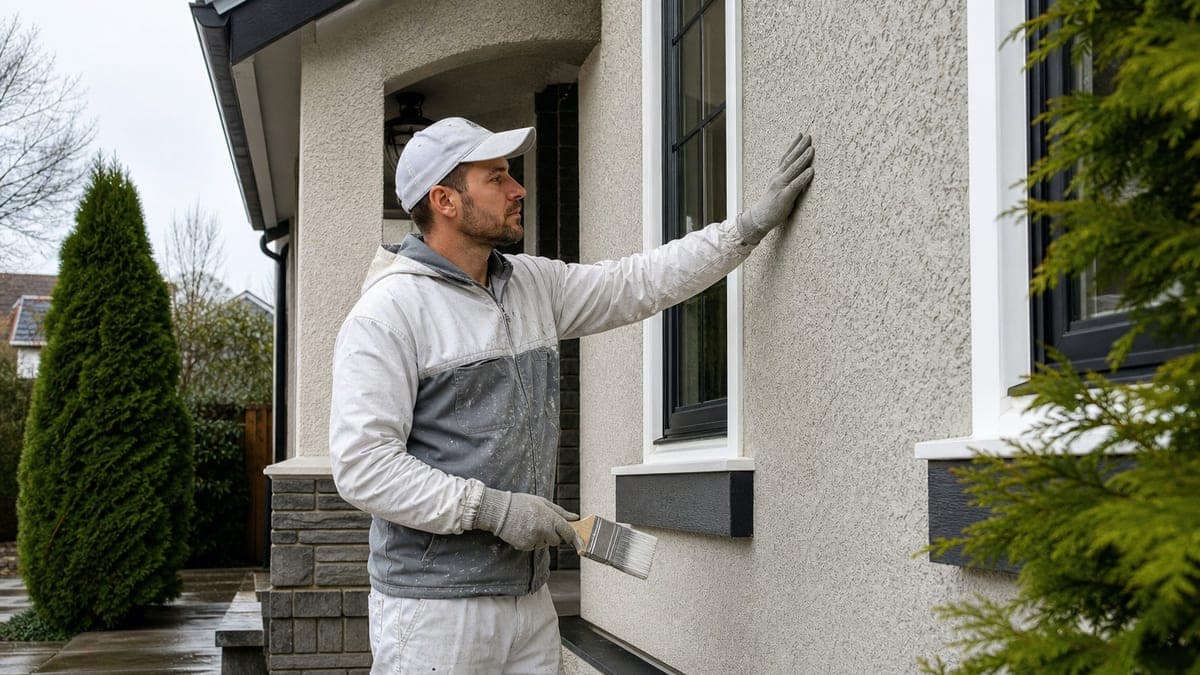
Quick answer: Stucco painting in Vancouver starts with washing, crack repair, mildew treatment, and enough dry time before primer or paint. The coating should be compatible with the stucco system so moisture can escape instead of getting trapped behind the finish. A good quote should explain repairs, product choice, weather windows, access, and warranty limits before work begins.
Stucco is common on Vancouver, Burnaby, Richmond, Coquitlam, and North Shore homes because it handles West Coast architecture well. It can also hide problems until paint starts blistering, staining, or peeling. Rain, shade, hairline cracking, failed sealants, and previous coatings all affect how a stucco repaint should be planned.
If the surface is sound, a fresh coating can make a stucco exterior look clean and modern. If prep is rushed, the new finish may fail quickly or make existing moisture problems harder to spot.
Start with a close stucco inspection
Stucco should be inspected before any colour or product decisions are made. From the street, an exterior can look ready for paint while the lower walls, window corners, and shaded elevations are holding mildew, stains, or small cracks.
Look for:
- Hairline cracks around windows, doors, and corners
- Larger cracks that may point to movement or moisture issues
- Bulging, soft, or hollow-sounding areas
- Staining below gutters, balcony edges, or window sills
- Mildew and algae on shaded walls
- Failed caulking where stucco meets trim, flashing, or penetrations
- Peeling or chalky previous paint
Small cosmetic cracks are often handled during painting prep. Larger cracks, loose stucco, or water-damaged areas may need repair before a painter can give a reliable coating recommendation.
Washing matters before stucco paint
Vancouver stucco collects road film, pollen, mildew, salt air near the water, and chalky residue from older coatings. New paint will not bond well if those contaminants stay on the wall.
Washing should be controlled. The goal is to clean the surface, not drive water into cracks, vents, light fixtures, or wall assemblies. Many homes benefit from a soft wash or careful low-pressure wash with mildew treatment where needed.
After washing, stucco needs time to dry. Dry time depends on weather, wall exposure, coating history, and how much moisture the stucco absorbed. Shaded North Shore walls or north-facing elevations can dry much more slowly than sunny walls in East Vancouver or Burnaby.
For broader prep context, see our guide to pressure washing before exterior painting in Vancouver.
Repair cracks before coating
Painting over cracks without repair usually leaves the same cracks visible and can allow moisture to keep entering the wall. The repair approach depends on crack size and movement.
Common prep may include:
- Cleaning dust and loose material out of cracks
- Filling hairline cracks with an appropriate elastomeric patch or masonry-compatible sealant
- Repairing damaged stucco texture so patched areas blend in
- Replacing failed caulking around trim, windows, doors, and penetrations
- Spot priming patched areas before finish coats
Not every joint should be sealed the same way. Stucco, flashing, trim, and drainage details need to shed water properly. If there are signs of active moisture intrusion, solve that issue before painting. Paint is a coating, not a waterproofing repair for a failed envelope detail.
Choose a breathable exterior coating
Product choice matters because stucco needs to manage moisture. A coating that is too rigid or incompatible with the existing surface can crack, peel, or trap water.
Painters may recommend high-quality exterior acrylic paint, masonry coating, or elastomeric coating depending on the stucco condition and the manufacturer's guidance. Elastomeric coatings can bridge small cracks and create a durable finish, but they are not automatically the right choice for every home. They need the right surface preparation, film thickness, and moisture conditions.
Ask your estimator:
- What coating system is recommended for this stucco and why?
- Is primer included?
- Are patched areas spot primed or is the whole wall primed?
- How many finish coats are included?
- Does the product allow moisture vapour to escape?
- What cracks or substrate issues are excluded from the paint warranty?
If you are comparing multiple bids, product details make the estimates much easier to judge. Our guide on how to compare house painting quotes in Vancouver has a broader checklist.
Plan around Vancouver weather
Stucco painting needs a dry surface and a stable forecast. Rain shortly before prep can leave walls damp, while rain too soon after painting can affect curing. Marine air, shade, and evening dew also matter, especially near the water or on tree-covered lots.
A good exterior schedule considers:
- Rain-free time before washing, repairs, primer, and finish coats
- Surface temperature and humidity
- Sun exposure so paint does not dry too quickly on hot walls
- Cure time before overnight moisture or rain returns
- Safe access for ladders, lifts, steep grades, or tight side yards
Late spring through early fall is usually the safest window for full exterior stucco painting in Greater Vancouver. For seasonal planning, read our best time to paint your home's exterior in Vancouver guide.
Colour changes can affect coverage
Stucco texture creates shadows and small recesses, so colour changes can need more coverage than smooth siding. Going from a dark beige or brown to white, cream, or light grey may require primer and two finish coats for an even result. Deep colours can also heat up in direct sun and may need products designed for exterior colour stability.
Before approving a colour, test a sample on the actual stucco. Texture, shade, landscaping, and roof colour can all change how a colour reads outside. If you are choosing a new exterior palette, our Vancouver paint colour guide can help narrow the options.
What should be included in a stucco painting quote?
Stucco quotes can vary because preparation and repairs vary. A clear estimate should describe the work in enough detail that you know what is included before the crew arrives.
Ask whether the quote includes:
- Washing and mildew treatment
- Crack filling and texture blending
- Caulking around trim, windows, doors, and fixtures
- Primer or masonry conditioner where needed
- Number of finish coats
- Paint or coating product line
- Protection for windows, paths, landscaping, and exterior fixtures
- Access equipment if the home is tall or on a slope
- Cleanup and final walkthrough
- Warranty terms and exclusions
If the quote says "paint stucco exterior" without explaining prep, ask for more detail. The prep work is what usually determines how long the finish will last.
Maintenance after repainting stucco
After the project, a few maintenance habits can help the coating last longer in Vancouver's wet climate.
Keep gutters clean so water does not run down walls. Trim shrubs away from stucco so walls can dry after rain. Watch lower walls, window corners, and shaded elevations for mildew. Touch up small cracks or failed sealant before they let water in.
If new staining appears soon after painting, do not ignore it. Stains can point to gutter issues, flashing problems, balcony drainage, or moisture that needs attention beyond paint.
Get a stucco painting estimate
If your stucco exterior is faded, stained, cracked, or ready for a colour update, request a free exterior painting quote or call +1 (604) 260-1613 for 24/7 estimate requests. Share photos of each side of the home, close-ups of cracks or stains, and any access concerns so we can help match you with the right painting partner for homes in Vancouver, Burnaby, Richmond, Coquitlam, North Vancouver, and the Lower Mainland.