How Often Should You Repaint a House in Vancouver?
Posted on June 8, 2026 by The Vancouver Painters Team
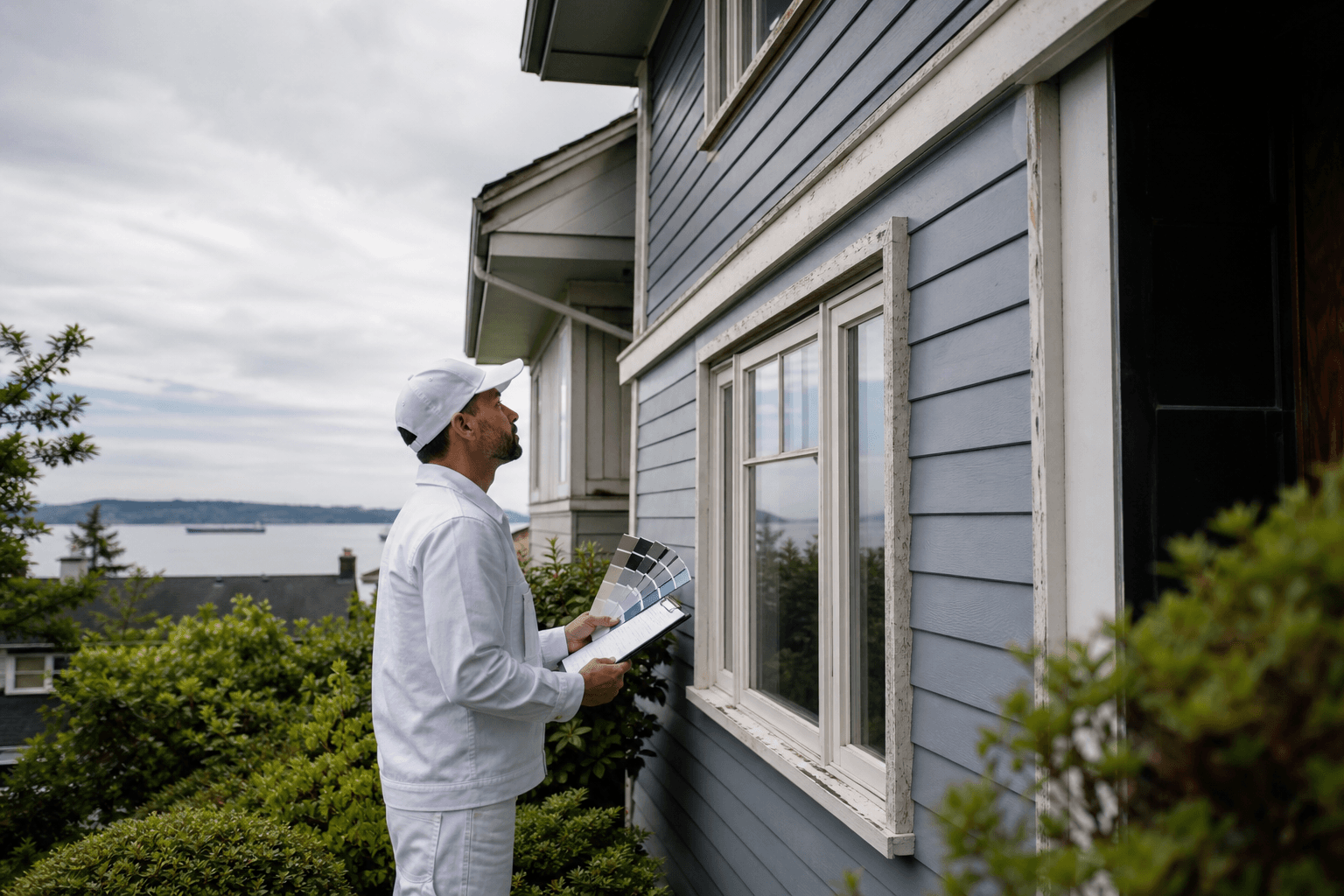
Quick answer: Most Vancouver houses need exterior repainting every 5-10 years. Wood siding, exposed trim, south-facing walls, and homes near heavy moisture may need attention closer to the 5-7 year range. Stucco, fibre cement, and well-prepped surfaces can often last longer when maintained between full repaints.
Vancouver's coastal climate is beautiful, but it is hard on exterior paint. Long wet seasons, shaded lots, salt air near the water, and quick shifts between rain and sun all affect how long a coating protects your home. A repaint schedule should be based on surface condition, not just the date of the last project.
Typical repaint timelines by surface
Every house is different, but these ranges are a useful starting point for Lower Mainland homes:
- Wood siding: 5-7 years
- Wood trim, fascia, and doors: 4-6 years
- Stucco: 7-10 years
- Fibre cement siding: 8-12 years
- Painted brick or masonry: 8-12 years
- Deck railings and exposed wood details: 2-4 years
The shorter timelines usually apply to homes with heavy shade, older coatings, poor previous prep, or direct exposure to wind-driven rain. The longer timelines assume proper washing, scraping, priming, caulking, and premium exterior paint.
Why Vancouver homes age differently
Paint failure in Vancouver is often moisture-related. The coating may still look acceptable from the street while small cracks, mildew, or open caulk joints are already letting water reach the substrate.
Watch these local conditions:
- North-facing walls: They receive less sun and stay damp longer after rain.
- South and west exposures: They get more UV, so colour fade and chalking can show earlier.
- Homes near trees: Shade, pollen, needles, and organic debris can encourage mildew.
- Waterfront or exposed lots: Wind, salt air, and driving rain can shorten coating life.
- Older character homes: Layered coatings and detailed trim often need more careful prep.
If your home sits in North Vancouver, West Vancouver, Port Moody, or another damp hillside area, inspect shaded walls and trim more often than the sunniest side of the house.
Signs it is time to repaint
You may not need a full repaint the moment a colour looks dull, but these signs should be addressed before they become repair work:
- Peeling, cracking, or bubbling paint
- Grey or soft exposed wood
- Hardened, split, or missing caulking around trim
- Mildew that returns quickly after cleaning
- Chalky residue when you rub the siding
- Noticeable fading on sunny elevations
- Hairline stucco cracks or stained patches
- Bare edges on fascia, window trim, or doors
If you are seeing several of these at once, compare them with our guide to 5 signs your house needs a new coat of paint.
Full repaint or targeted maintenance?
Not every issue requires painting the whole house. A good inspection can separate touch-ups from larger work.
Targeted maintenance may be enough when:
- The main siding is sound, but a few trim boards are weathered
- Caulking has failed around selected windows or doors
- One sunny wall has faded faster than the others
- A small area was damaged by a repair, renovation, or gutter leak
A full repaint is usually smarter when:
- Multiple elevations are peeling or chalking
- The colour has faded unevenly across the home
- Previous coatings are failing down to bare wood
- Repairs, primer, and patchwork would leave visible colour differences
- You are preparing to sell and want consistent curb appeal
For exterior projects, timing matters as much as scope. Our guide to the best time to paint your home's exterior in Vancouver explains why late spring through early fall is usually the safest window.
How to make exterior paint last longer
The best way to stretch the repaint cycle is to keep water away from painted surfaces and fix small failures early.
- Wash the exterior every 1-2 years. Gentle washing removes mildew, pollen, road dust, and organic buildup.
- Keep gutters working. Overflowing gutters can soak fascia, soffits, and siding.
- Trim plants away from walls. Airflow helps siding dry after rain.
- Touch up exposed edges. Bare wood absorbs moisture quickly.
- Re-caulk open joints. Failed caulking is one of the most common causes of water intrusion.
- Use the right primer. Bare wood, stains, and chalky surfaces need proper bonding before finish coats.
- Choose colours with the climate in mind. Dark colours can look sharp but may show fading faster on high-sun walls.
If you are planning a colour change, review our tips on choosing paint colours for Vancouver homes before buying samples.
When to book an exterior painting estimate
If your exterior is approaching the end of its cycle, start planning before the paint fully fails. Early estimates give you time to:
- Compare repair scopes clearly
- Choose colours without rushing
- Book a dry-season project window
- Budget for carpentry, caulking, or siding repair
- Avoid emergency repainting after water damage appears
For pricing context, see our Vancouver house painting cost guide.
Get a repaint recommendation
We help homeowners across Vancouver, Burnaby, Richmond, North Vancouver, West Vancouver, and the Lower Mainland assess whether they need a full repaint or targeted exterior maintenance.
If you are unsure where your home sits in the repaint cycle, request a free exterior painting quote and include photos of the most weathered walls, trim, and any peeling areas. We will help match you with the right painting partner for the scope.